

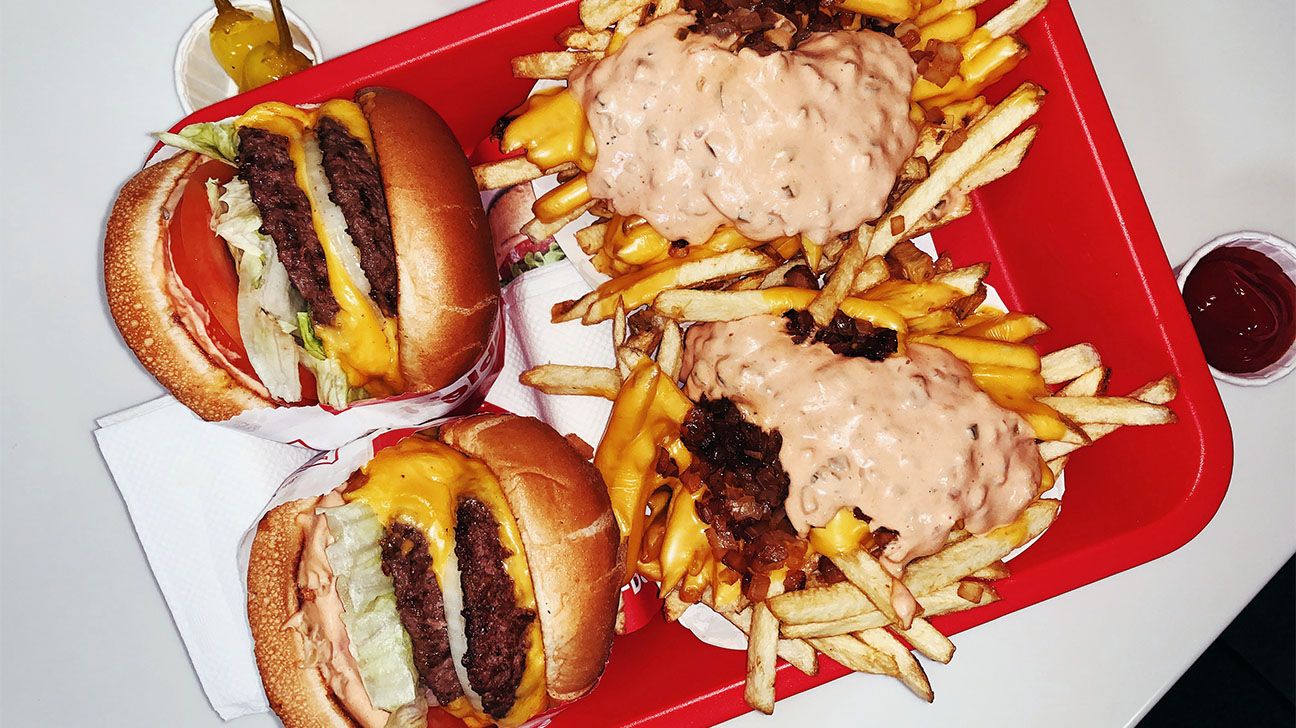
- A new review concluded that highly engineered consumables may be just as habit-forming as cigarettes.
- The study authors discovered that UPFs are formulated to heighten reward and hasten the absorption of reinforcing ingredients.
- The habit-forming quality of these foods means they promote compulsive consumption and interfere with appetite regulation.
- Study contributors suggest that UPFs could be subject to policies akin to those for cigarettes.
At present, there is no one universal definition of UPFs. Certain experts define them as products that contain components you would not typically use in a personal cupboard, such as emulsifiers and artificial substances.
Numerous experts rely on the NOVA system to classify UPFs. This refers to foods that are “formulations of components, mostly of manufacturing origin, typically created by a range of factory processes and processes.”
A fresh review published in The Millbank Quarterly indicated that ultraprocessed foods could be just as habit-forming as cigarettes.
“I agree with this research, as ultra-processed foods are intentionally formulated to be extremely attractive to the majority of people,” commented a weight loss specialist not affiliated with the study.
Research from 2023 suggests that over 73% of the foods available in the United States is classified as highly processed.
“Tobacco and UPFs are not just natural products but scientifically formulated consumable products engineered deliberately to maximize physical and mental reinforcement and habitual overuse,” explained the review’s authors.
Are Ultraprocessed Foods Addictive?
The review synthesized insights from addiction, public health history, and dietary science to pinpoint textural and compositional features that increase the addictive quality of both cigarettes and UPFs.
“Not everyone is ‘hooked’ to these foods, but for a significant portion, they elicit typical habit-forming patterns: strong cravings, loss of control, and persistent consumption despite negative health effects,” commented a preventive cardiology dietitian.
“These products are deliberately engineered with processed carbohydrates, added fats, sodium, and flavor enhancers to maximize reward and repeat consumption, and the industry uses persuasive advertising strategies, especially targeting children,” she added.
The authors focused on five key areas:
- rapid absorption
- hedonic engineering, or creating products to be extremely pleasurable
- dose optimization
- widespread availability
- misleading changes, or “health washing”
It was observed that, similar to cigarettes, UPFs are fine-tuned to provide the right dose of sweetness.
“Processed carbs trigger dopamine release through the a key neural pathway, while fats do so through fat detection in the gut,” the researchers noted.
“… Ultraprocessed foods with significant amounts of refined carbohydrates and added fats are among the most highly addictive foods in the modern diet. Importantly this processed carb and fat mix is rarely found in whole foods.”
The way these foods quickly deliver “pleasure-inducing” substances to the mind makes them potentially addictive, similarly to cigarettes.
The review explained that while cigarettes are designed to deliver nicotine quickly, ultraprocessed foods are engineered to be broken down and absorbed quickly, as they usually have minimal fiber. This makes it easier for the body to process lipids and carbohydrates more quickly.
The researchers also explain that UPFs give deliberate flavor bursts that fade quickly and mouthfeels that dissolve easily. This collectively works to trigger more dopamine and encourages individuals to consume additional amounts.
‘Wellness Branding’ in Tobacco, UPFs
According to the review, both the tobacco and food sectors have long used a strategy called “health washing.”
This is when products are marketed and reformulated to generate an illusion of less danger while preserving the core addictive properties.
This tactic in the tobacco industry became popular in the mid-20th century with the introduction of filter tips on cigarettes.
These were sold as safety features that would catch harmful substances before they entered the respiratory system. In reality, filters provide little significant benefit.
Yet, people often adjusted by taking bigger puffs or increasing consumption, which offset any reduction in harmful intake.
Food manufacturers has adopted a similar approach. It uses labels like “low fat” or “sugar-free” to promote UPFs.
Yet, these items still contain the same highly reinforcing ingredient combinations. The problem is that these reformulations offer a surface-level appearance of wellness while the item’s addictive structure and metabolic harms remain intact.
Ought UPFs Face Controls?
The researchers stated at the conclusion of their review that nourishment and smoking products are fundamentally different.
Nevertheless, they cautioned that some UPFs function like engineered consumables rather than real nourishment. They proposed that public health policy ought to acknowledge this distinction.
“Tobacco offers a warning, and smoking regulations provides a source of potential,” the authors wrote.
Because of regulations, cigarette use levels in the United States have fallen and have “reshaped public perception of smoking and diminished confidence in the sector.”
“It is my opinion greater awareness regarding the harmful effects of UPFs is essential to reduce general consumption and enhance population wellness. The approaches used to reduce cigarette use have been effective and may be a helpful model for ultra-processed foods as well,” commented one specialist.
“It is not my view ultraprocessed foods should be controlled exactly like cigarettes, but they do warrant stronger, smoking policy-based policies: marketing restrictions, clear front-of-package labeling, stricter standards on health claims, and limits in schools or hospitals,” noted another nutrition professional.
The researchers reminded people that lightly altered and whole foods have supported our well-being for millennia.


